The Algorithmic Scribe — Exhibit

Morpho, a desktop UV printer aimed at creators and small businesses, went live on Kickstarter on 20 August 2026 with a modest $50,000 funding goal. A day later it had cleared that target by roughly 128 times over — sitting above $6.4 million pledged from more than 1,800 backers, complete with Kickstarter’s “Project We Love” badge.
The Numbers
The headline figure is the funding percentage: over 14,000% of goal within 24 hours of launch. That’s the kind of overnight blowout that turns a niche hardware campaign into a case study. Funding stays open until 14 October 2026, and — notably — pledges aren’t charged until the campaign closes, so the current total is a snapshot of intent rather than banked money.
Two models are on offer at Super Early Bird pricing: the F1080 at $1,599 (against a stated future MSRP of $2,699) and the Pro i3200 at $2,799 (MSRP $4,999). The Pro carries the more capable industrial printhead — 3,200 nozzles, 2400 DPI, and support for full-color 3D printing with specialty inks — while the F1080 runs a smaller 1,080-nozzle head that’s upgradable later.
What It Actually Does
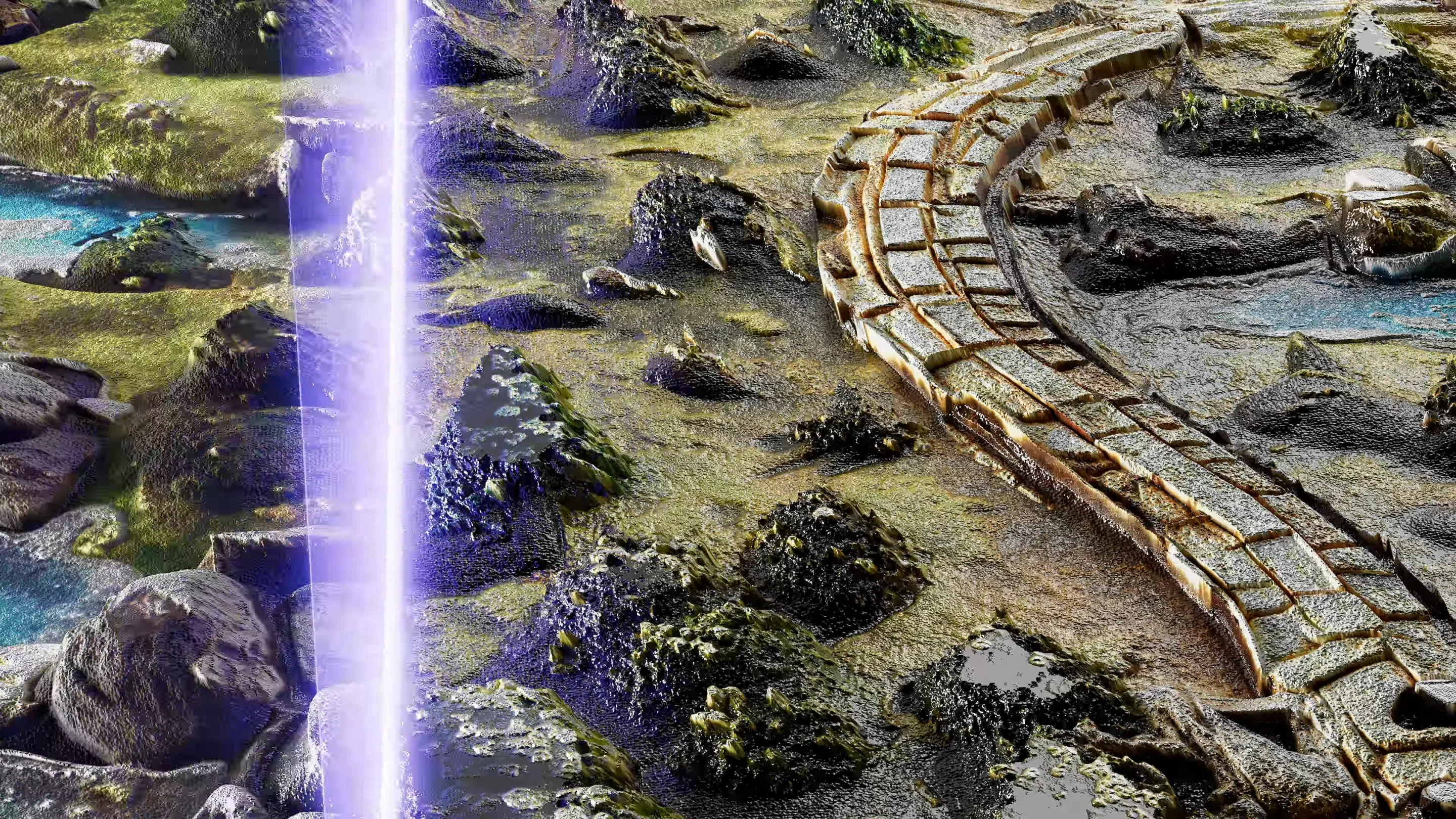
Morpho is an enclosed UV printer that prints full-colour images, white ink, varnish, and raised textures directly onto objects rather than paper. Because UV-cured ink sets almost instantly under ultraviolet light rather than soaking into a surface, the machine can work across a claimed 2,000+ materials — acrylic, wood, glass, metal, leather, plastic, ceramics. Interchangeable setups (a standard tray, an A3 bed, rotary printing for cylindrical items, and a planned roll-to-roll system) extend that further, and a built-in camera and laser measurement system handles object alignment automatically instead of requiring manual measurement.
Why It’s Landing
Morpho isn’t launching into a vacuum. It’s stepping directly into the wake of Anker’s EufyMake E1, the “world’s first personal 3D-texture UV printer,” which became the most-funded Kickstarter campaign ever earlier this year — over $46.7 million from nearly 18,000 backers. That campaign proved there’s real appetite for desktop UV printing among makers, Etsy sellers, and small-batch producers who want industrial-grade finishing without an industrial-grade footprint or price tag.
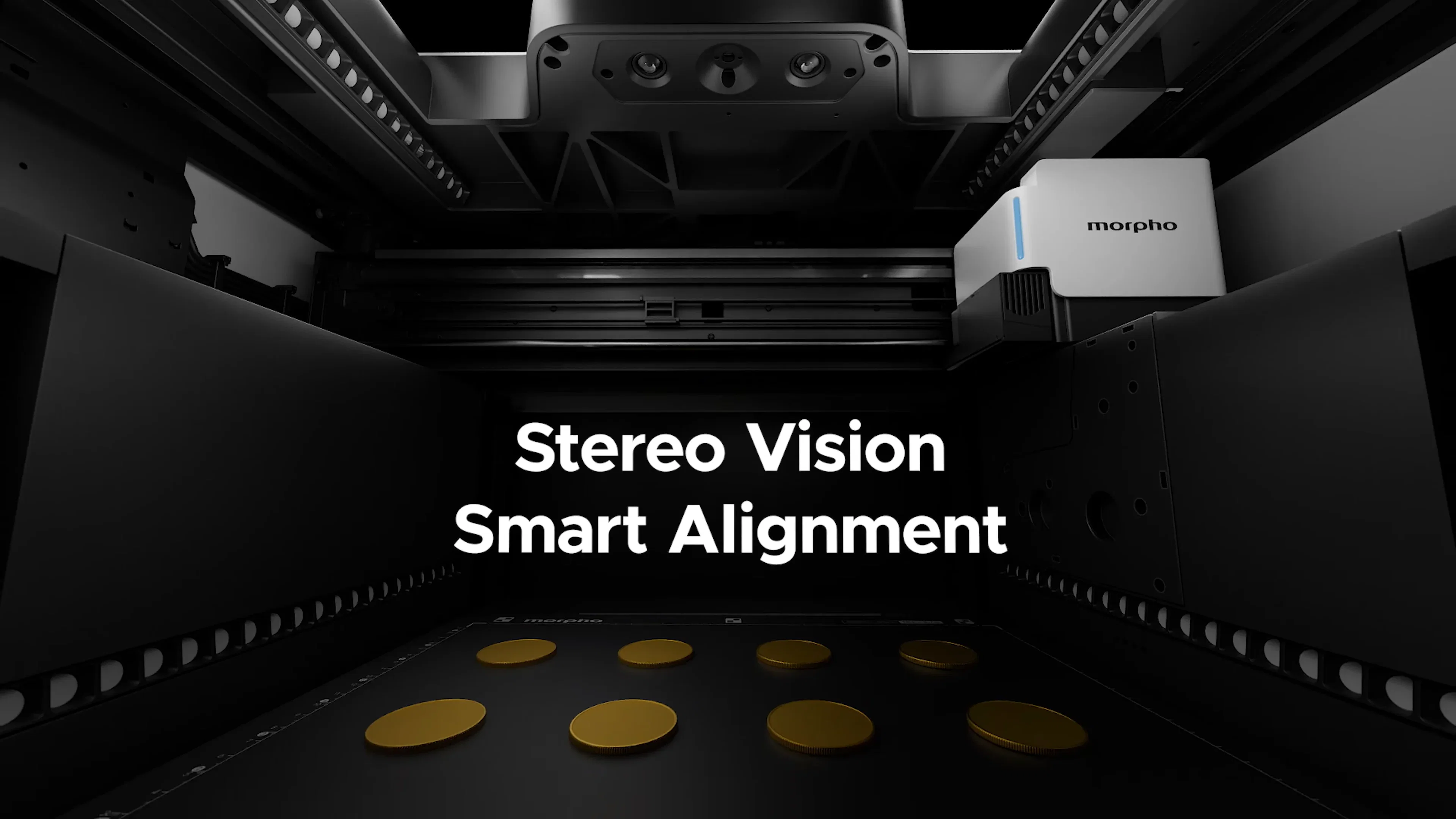
Morpho is positioning itself as the more serious, spec-forward alternative: a moving-gantry architecture for a larger enclosed print area, stereo-vision alignment claimed accurate to 0.2mm, built-in spectrophotometer calibration, texture stacking up to 60mm (well beyond the E1’s 5mm), and an open refillable ink system the company says cuts maintenance-ink consumption by more than 90%.
The launch itself was also clearly engineered rather than spontaneous. Before going live, Morpho ran a $50 deposit program locking in early pricing, and demonstrated working units at Maker Faire Long Island, the Midwest RepRap Festival, and Anime Expo, putting machines directly in front of creators ahead of the campaign. The company points to roughly 200 engineers across computer vision, chemistry, software, and physics, and its founder, Mingyu “Brett” Wang, previously led DJI’s camera division as a VP of R&D — a pedigree the company has leaned on to distinguish itself from the usual speculative-prototype crowdfunding pitch. In effect, the campaign was the conversion point for months of groundwork, not the start of the marketing effort.
The Fine Print Worth Watching
A funding total this large is not proof that Morpho can deliver at scale. Kickstarter pledges aren’t retail purchases with the usual consumer protections, and the company still has to manufacture, test, and ship thousands of complex machines internationally while holding quality control across printheads, cameras, motion systems, ink, and software. Morpho has no prior Kickstarter fulfillment record to point to. Independent, long-term testing of its low-odor ink and 90%-reduction maintenance claims hasn’t caught up with the marketing yet, and its earlier guidance pointed to shipping beginning in Q4 2026 — a target that may be tested by a response many times larger than the campaign’s nominal goal.
It’s also worth noting that the per-backer dollar figure is inflated by the product’s price point: at $1,599–$2,799 before ink, accessories, shipping, and tax, each pledge represents far more spend than a typical book or gadget campaign, which is part of why the total looks so dramatic against a $50,000 goal.
The Takeaway
Whatever happens before the campaign closes on 14 October 2026, Morpho’s opening days say something about where the desktop manufacturing space is heading. Platforms like Etsy, Shopify, and TikTok have already built an audience that understands the value of small-batch, made-to-order goods — what’s been missing is affordable equipment that can produce professional results across many materials. Anker’s E1 proved the category exists; Morpho is now testing whether it can out-spec the category leader before it has shipped a single unit. The real verdict won’t come from the funding total — it’ll come from what backers are able to make once the machines actually arrive.
Campaign figures current as of 21 August 2026. Product images courtesy of Morpho Inc.


Leave a Reply